
Designing Around the People Doing the Work. 

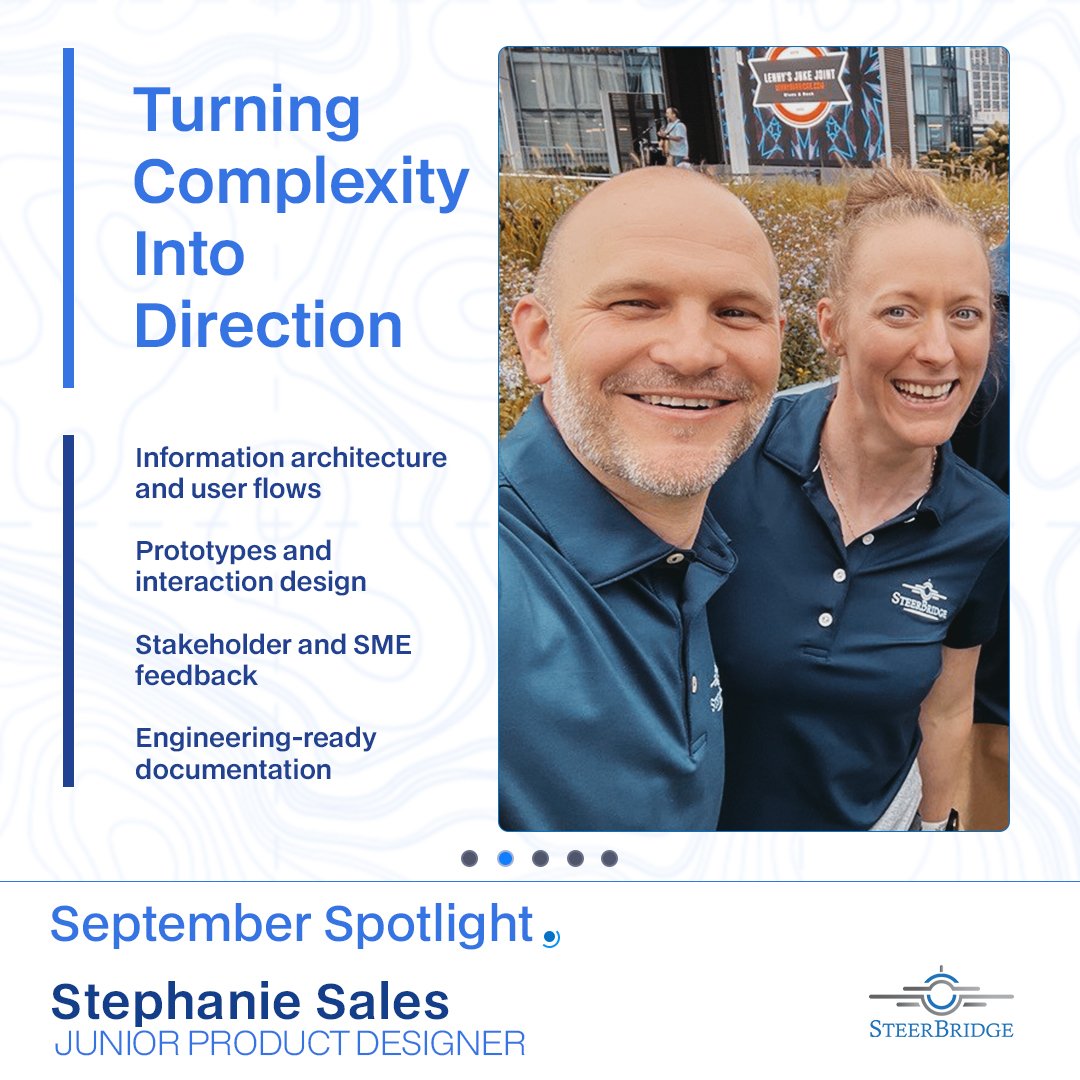
As a Junior Product Designer at SteerBridge, Stephanie Sales helps turn evolving requirements and user needs into clear product direction. Her work helps users, product teams, and engineers move from complexity toward something they can understand, build, and improve.

Good product design often becomes visible at the end.

A clearer screen. A simpler workflow. An experience that feels easier to use.

But a lot of the real work happens earlier.

Requirements may still be changing. Stakeholders may see the problem differently. Engineers need enough clarity to start building. And users need an experience that actually fits the way they work.

For Stephanie Sales, Junior Product Designer at SteerBridge, that’s where product design starts.

Her goal is to create a seamless, even enjoyable, experience for the user while reducing wasted time for engineering teams and keeping the solution aligned with broader goals. 


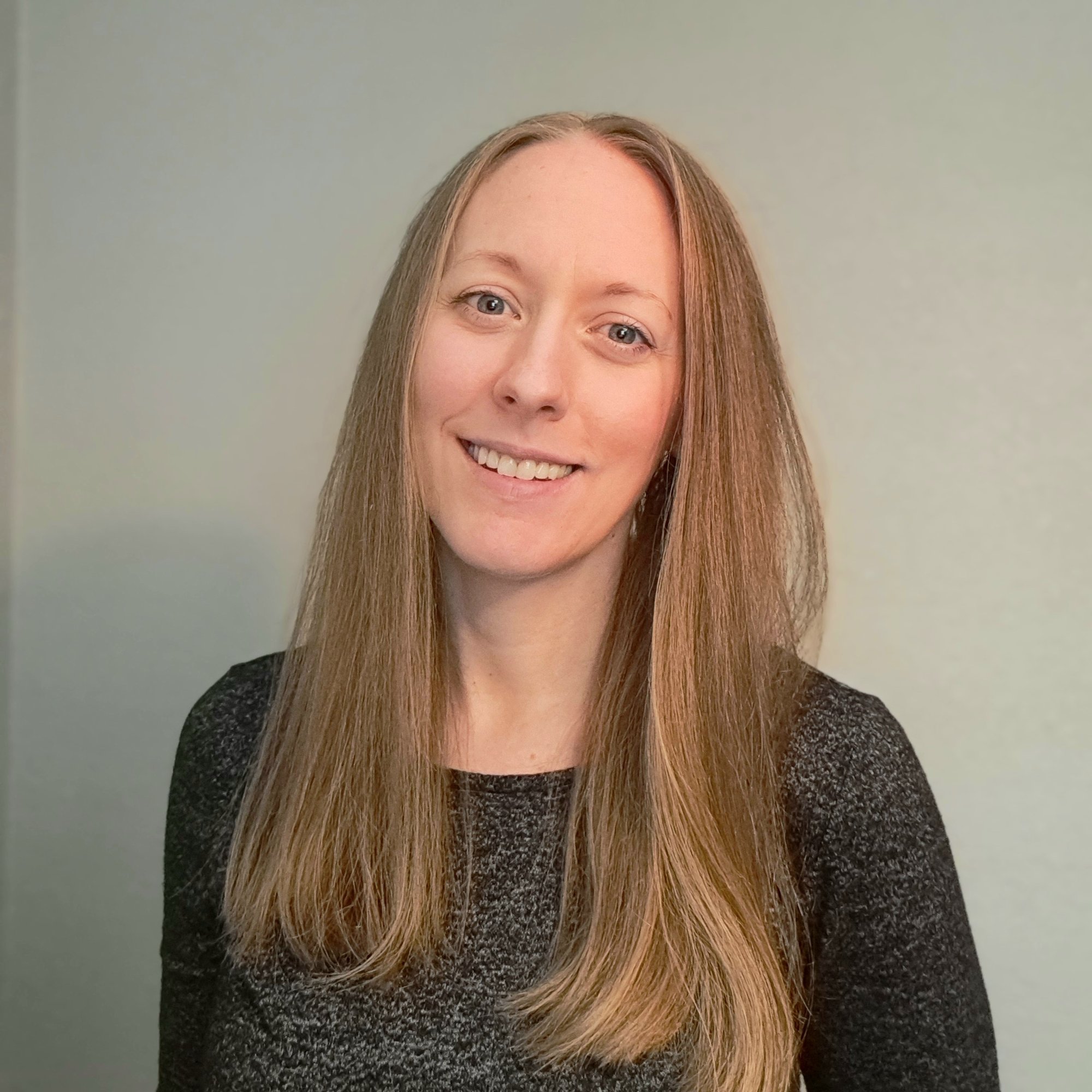
Stephanie Sales

"As a product designer, I work to provide solutions to complex user problems oftentimes before the user encounters the problem"


Start With the User 

For Stephanie, a design isn’t ready just because it looks complete.

The strongest validation comes from testing it with users or getting feedback from subject matter experts who understand the work firsthand. Only then, she says, can a designer really know whether the user’s problem has been solved in a meaningful way.

That mindset shapes three responsibilities at the center of her work: user research and validation, interaction and visual design, and cross-functional collaboration.

Research helps clarify what users actually need. Design turns those findings into something people can understand and use. Collaboration connects that experience to subject matter experts, product leaders, and engineers responsible for making it real.

The goal isn’t simply to make something look better.

It’s to make the path forward clearer. 

Turning Complexity Into Something Teams Can Build 

Stephanie’s work increasingly sits at the intersection of research, product design, content, stakeholder input, and engineering execution.

Early in 2026, she supported Aviation Readiness product refinements while also conducting user research, developing information architecture, and creating early wireframes and prototypes.

Her work included refining product flows, establishing edge-case styles, updating responsive experiences, supporting development needs, and maintaining engineering handoff materials.

As her responsibilities grew, so did the complexity of the work she was trusted to own.

That became especially clear with the Aviation Readiness Platform Learning Resource Center.

Stephanie started by auditing existing resources, researching effective help-center experiences, developing the information architecture, and building the project plan.

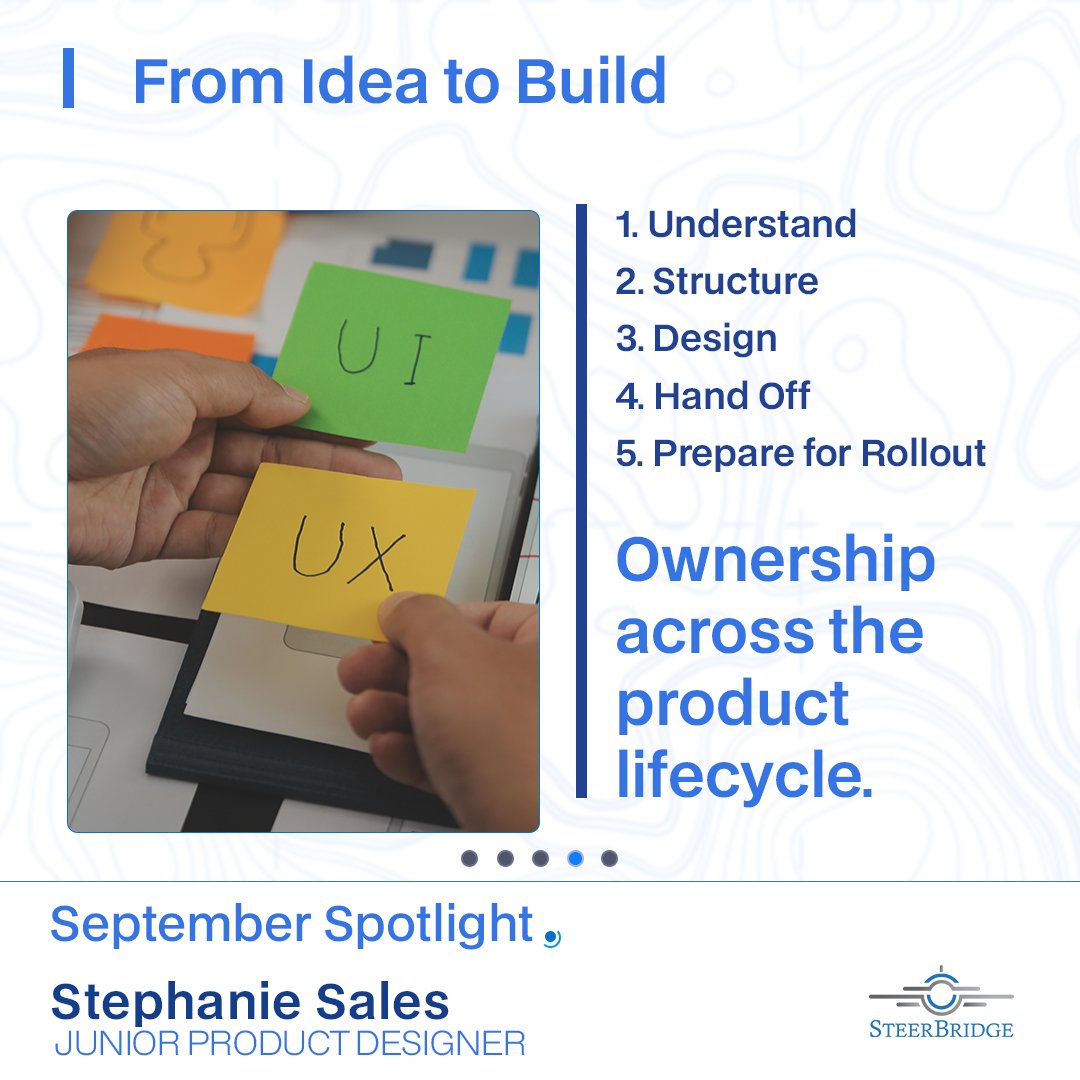
From there, she created standardized templates for guides, articles, videos, updates, and FAQs. She built the core user flows and wireframes, aligned V1 scope with the development team, and moved the experience into high-fidelity prototyping.

Her role didn’t stop when the screens were designed.

She prepared specifications, annotations, edge-case documentation, and handoff materials. She worked directly with developers to clarify requirements and collaborated with user researchers and subject matter experts to refine content for accuracy.

As rollout preparation continued, her work expanded into video scripts, screenshots, walkthrough materials, onboarding content, and other resources users would need.

By the time V1 moved toward implementation, Stephanie had already started thinking about V2.

That progression says a lot about professional growth. It’s not just about learning more tasks. It’s about being trusted to carry a problem further. 


Clarity Before Code  

Stephanie sees engineering as one of the first teams to benefit from thoughtful product design.

“When you have a well-thought-out design, the engineering team can confidently and quickly build the solution that most aligns with our user’s needs”

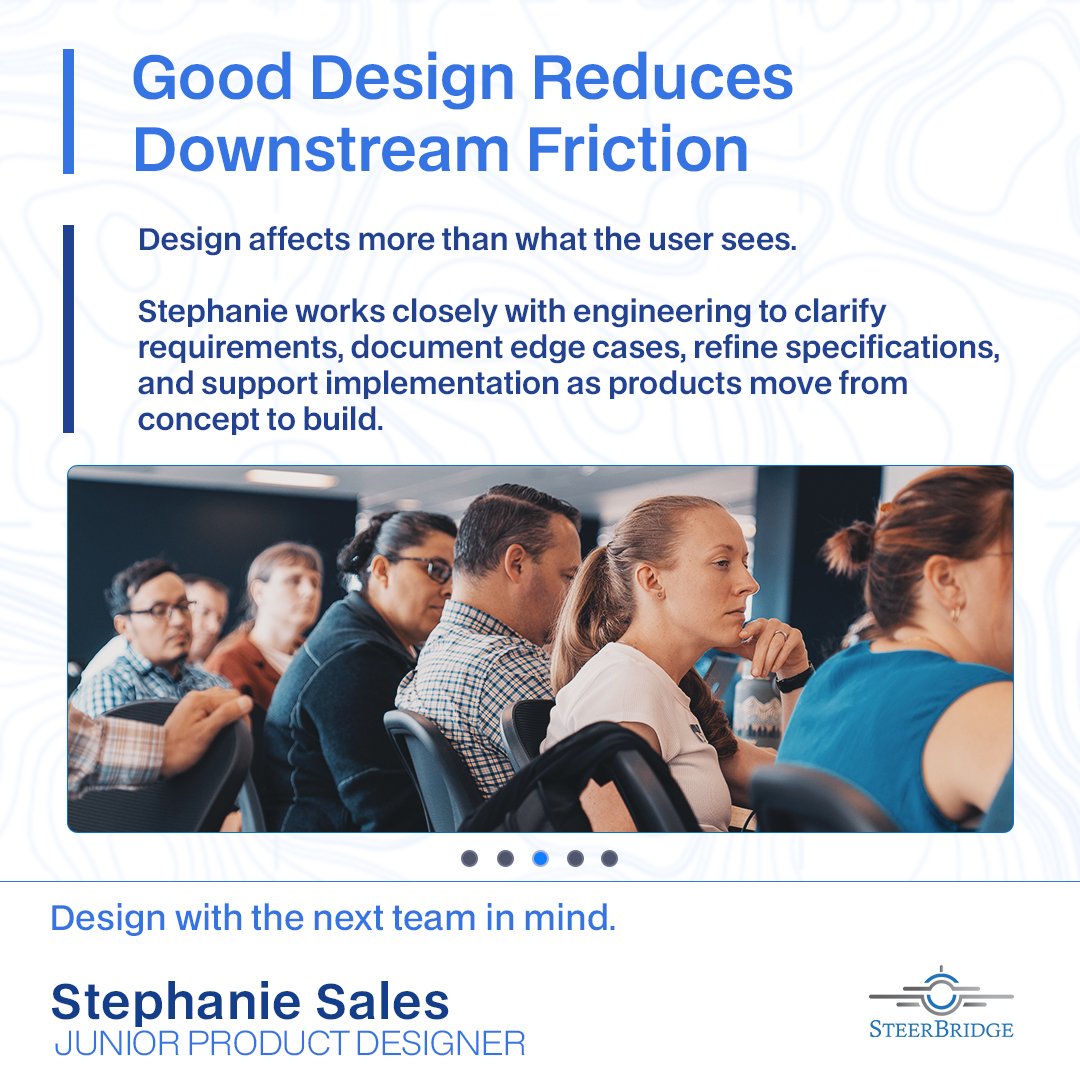
Clear designs and specifications give developers a stronger starting point. Documented edge cases help teams think through behaviors before they become production issues. Continued collaboration helps resolve questions quickly as the product changes.

That can reduce avoidable rework and keep users, product teams, and engineering aligned around what’s actually being built.

Good design supports more than the person using the final product. It gives everyone involved a clearer path to get there. 

Designing Around the Workflow 

One project shows Stephanie’s approach especially well.

She was given an existing document-based workflow and asked to translate it into an application experience.

Rather than simply recreating the document on a screen, Stephanie designed an experience that kept the functionality users already needed while adding better change tracking, clearer visibility into long-term trends, and information that could support better decisions.

“Impacting a user’s workflow in all the right ways is why I love doing the work I do”

That example gets at an important difference in product design.

Putting an existing process on a screen doesn’t automatically make it better.

A designer has to understand why the workflow exists, what information matters, where the friction is, and where a digital experience can actually make the work easier or clearer.

That starts with listening. 
1753910112875_Stephanie Sales

AI as Part of the Design Process

Stephanie has also started using artificial intelligence more intentionally in her design workflow.

She uses AI-assisted capabilities in tools like Figma to support ideation and prototyping, and she has used AI to speed up early drafts of product-support content.

But speed is only the first step.

Drafts still need review. Assumptions still need to be challenged. Content still has to be refined with user researchers, stakeholders, and subject matter experts. Designs still go through critique, validation, and feedback.

For Stephanie, AI supports the process. It doesn’t replace the judgment behind it.

That helps her move faster during early exploration while keeping user understanding and human validation at the center. 
Tech Huddle_Stephanie Sales


Growth Through Ownership 

Stephanie’s progression at SteerBridge is easy to see in the complexity she’s increasingly trusted to own.

Her earlier work included product refinements, user research, wireframes, information architecture, and development support.

By spring 2026, she was assigned to lead the design of the Aviation Readiness Platform Learning Resource Center.

From there, she carried the work through research, content inventory, architecture, wireframes, prototype development, stakeholder alignment, engineering handoff, content creation, multimedia preparation, and rollout readiness.

Alongside that hands-on experience, Stephanie has continued investing in her professional development. She’s earned an AWS certification, completed design coursework through the Interaction Design Foundation, and learned from experienced designers through mentorship and collaboration.

“The expectation was to dive in and get your hands dirty”

The standards are high, and the problems aren’t always easy. But she also sees an environment that gives people support and room to keep growing.

That mix of high expectations and meaningful ownership has become an important part of her SteerBridge experience. 

A Pathway Into Meaningful Work 

Stephanie’s path to SteerBridge started through the military-connected community.

As a military spouse, she came to the company through Hiring Our Heroes.

That connection mattered because SteerBridge was working on complex problems tied to a community she already felt deeply connected to: military members and Veterans.

Hiring Our Heroes helped open the door.

What happened after that is the bigger story.

Since joining SteerBridge, Stephanie has continued building technical skills, working alongside experienced professionals, and taking on more responsibility for increasingly complex work.

Her experience points to an important distinction for military-connected professionals considering their own next step:

A pathway can create access to an opportunity.

Capability, ownership, and continued development shape what happens next.

High Ownership, Strong Support  

Stephanie describes SteerBridge in three words:

Purpose-driven. Innovative. Transformative.

She’s also straightforward about what the environment asks of people.

The problems are complex. Expectations are high. The work takes dedication, curiosity, and a willingness to own what’s in front of you.

But Stephanie also sees support, mentorship, professional development, and room to grow.

Her own experience reflects that balance.

She has moved from supporting individual design needs to carrying increasingly complex work across research, design, stakeholder alignment, engineering, and implementation preparation.

And it all comes back to why product design matters in the first place.

Complex technology doesn’t become useful simply because it exists.

It becomes useful when someone takes the time to understand the people doing the work, remove unnecessary friction, test assumptions, and create enough clarity for both the user and the teams building the solution.

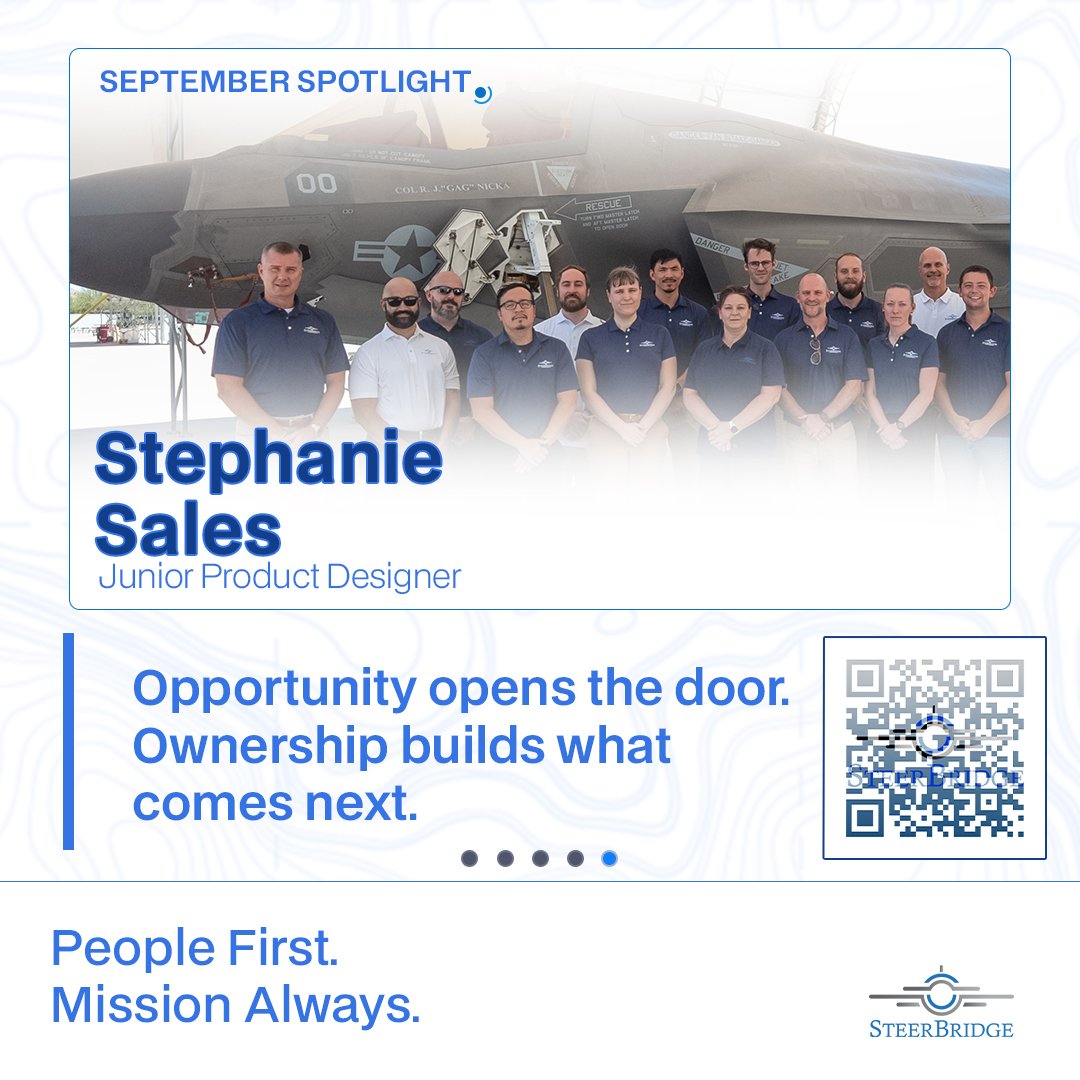
For Stephanie, that’s where good design begins. 

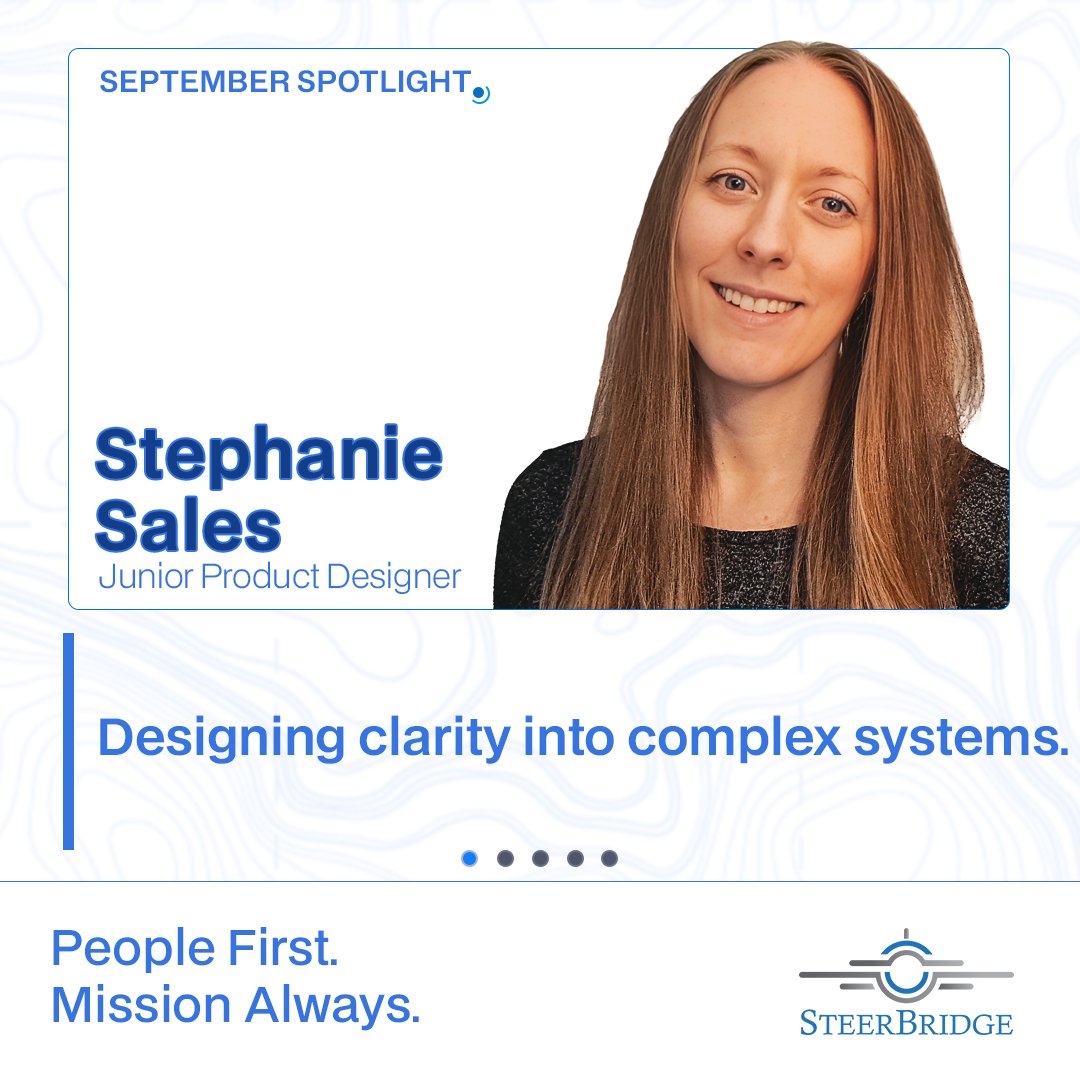
Stephanie Sales
Slide 1 of 5
// September Spotlight

Designing clarity into complex systems.
 
Join a mission-driven team.  

Explore open roles supporting mission-driven technology: Join the Team

 
Learn more about SteerBridge Aviation Readiness Platforms
 
About STEERBRIDGE

At SteerBridge, our vision is to be the trusted partner in delivering transformative solutions that empower our clients to navigate complex challenges and seize opportunities for growth.

Rooted in our core values of integrity, innovation, and engaged leadership, we strive to elevate the standards of service within the government contracting community.

Mike Kropiewnicki
Mike Kropiewnicki
Sep 21, 2026, 8:36:11 AM

// Contact Us

Ready to Move the Mission Forward?

Whether you are modernizing systems, improving decision-making, strengthening infrastructure, or scaling operations, SteerBridge brings the team, approach, and execution discipline to move your mission forward.

// Partnership Contact

Business Inquiries Email

partnerships@steerbridge.com

For teaming agreements, subcontracting, and federal acquisition inquiries.

Team Contact

(703) 663-8299

Communications

communications@steerbridge.com

For media and general correspondence inquiries

// Careers Contact

Careers Phone

(703) 663-8299

Office

8521 Leesburg Pike Vienna, VA 22182