Why We Ring the Bell at SteerBridge
//
Mission Focus
Trust Requires Traceability
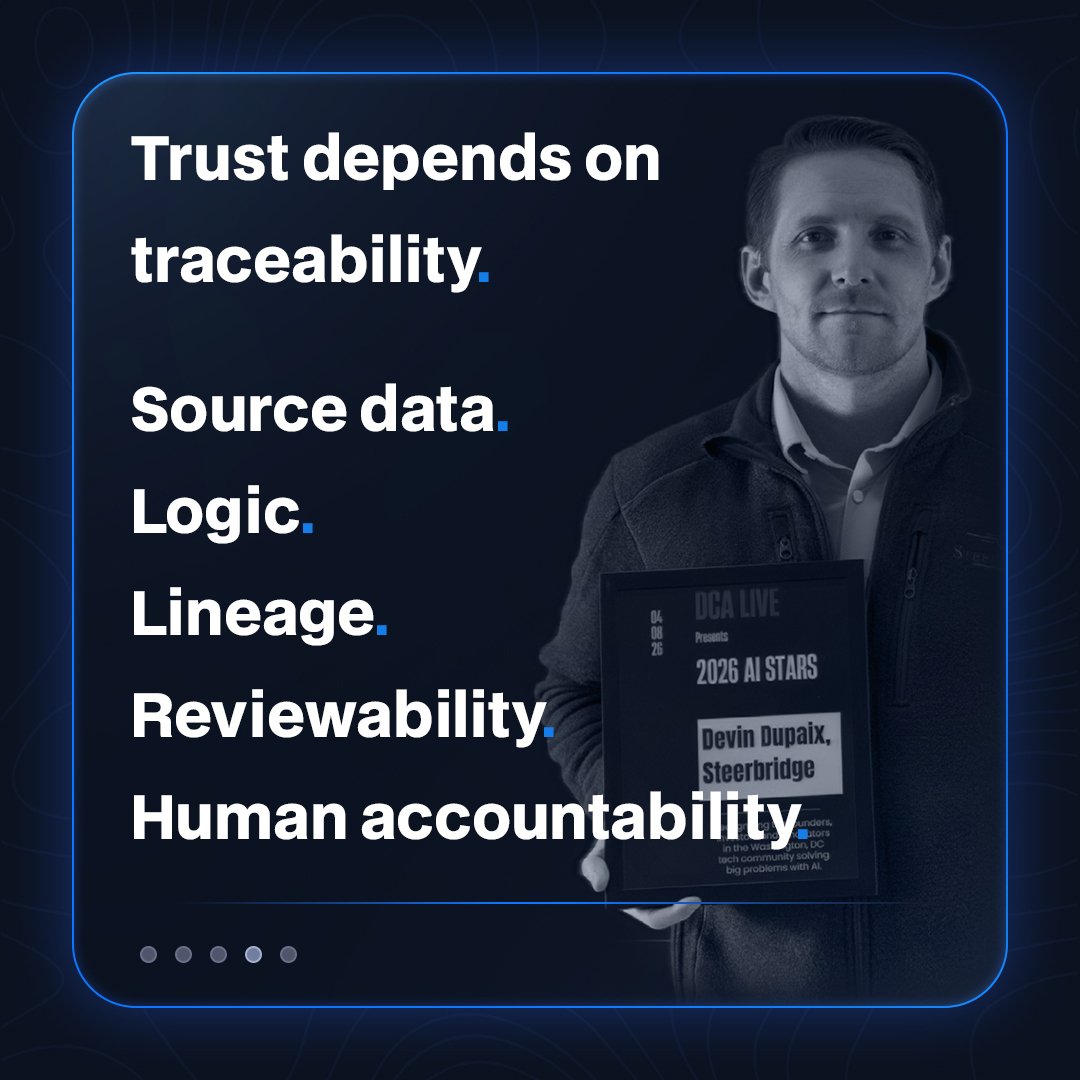
For Devin, trust is not a slogan. It is an architectural requirement.
When data moves from a source system to a final metric, every step matters. A single error in logic can create a chain reaction. A duplicated value can distort the picture. An over-filtered field can remove something important. A poorly documented transformation can make the final output harder to trust.
That is why data lineage matters.
Mission leaders need to know where information came from, how it was handled, and whether the logic behind the final metric can be reviewed. In high-trust environments, the output is only useful if the people accountable for the decision can understand and trust it.
Traceability, auditability, and reviewability are not technical extras. They are part of the trust architecture.
For aviation readiness, traceability helps leaders understand the signals behind readiness insights. For benefits decision-making, it helps reviewers preserve consistency and accountability. For payments, it supports confidence in secure access, transaction visibility, and user protection.
Each mission requires a different platform approach. Each still requires trust by design.
Proven Patterns, Mission-Specific Configuration
A common misconception in technology is that organizations must choose between two extremes: fully custom development from scratch or rigid off-the-shelf tools that force the mission to adapt to the product.
Devin sees a stronger path.
SteerBridge pairs subject-matter experts with technologists to develop a strong 70–80% solution before asking the customer to refine it. That means the customer is not forced through a painful discovery-and-definition process from zero. Instead, SteerBridge brings mission fluency, proven design patterns, technical expertise, and a working foundation that can be adjusted to the customer’s environment.
That approach matters because mission platforms need both structure and flexibility.
Aviation readiness platforms need to reflect how aviation teams actually work. Benefits decision-making platforms need to support evidence review, workflow discipline, traceability, and human accountability. Secure payment platforms need to support benefit access, card controls, transaction visibility, mobile support, and user confidence.
The common thread is not identical architecture.
The common thread is disciplined execution.
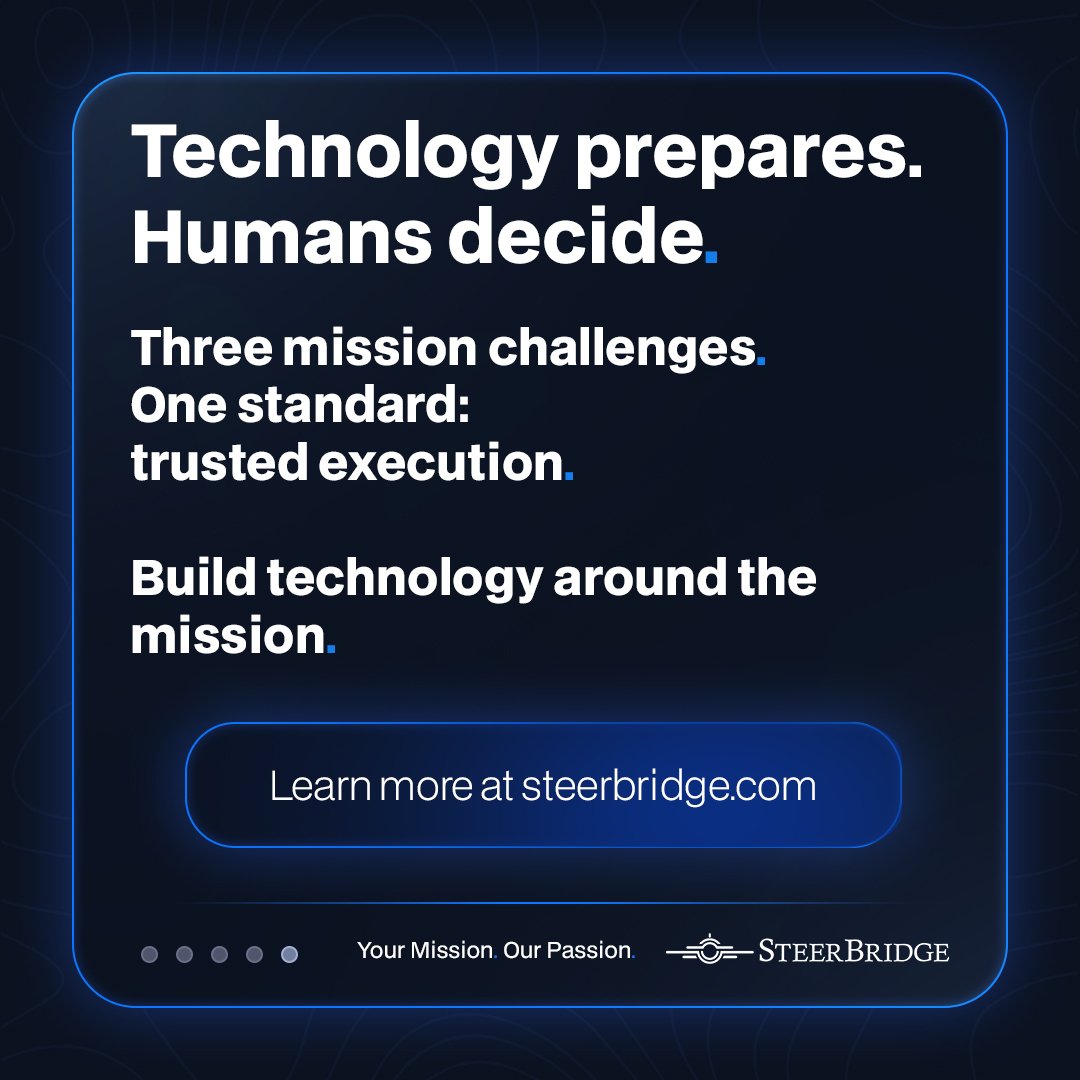
Three Mission Challenges. One Standard.
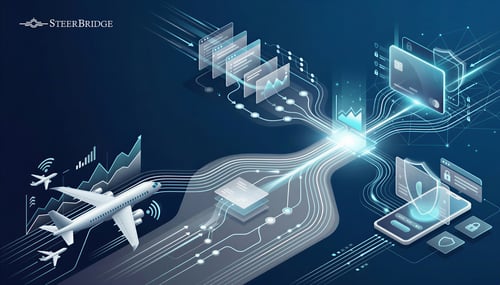
Across SteerBridge’s work, three platform examples show why mission-specific design matters: Aviation Readiness Platforms, the Benefits & Decision-Making Platform, and the SteerFi Payments Platform.
These platforms do not solve the same problem.
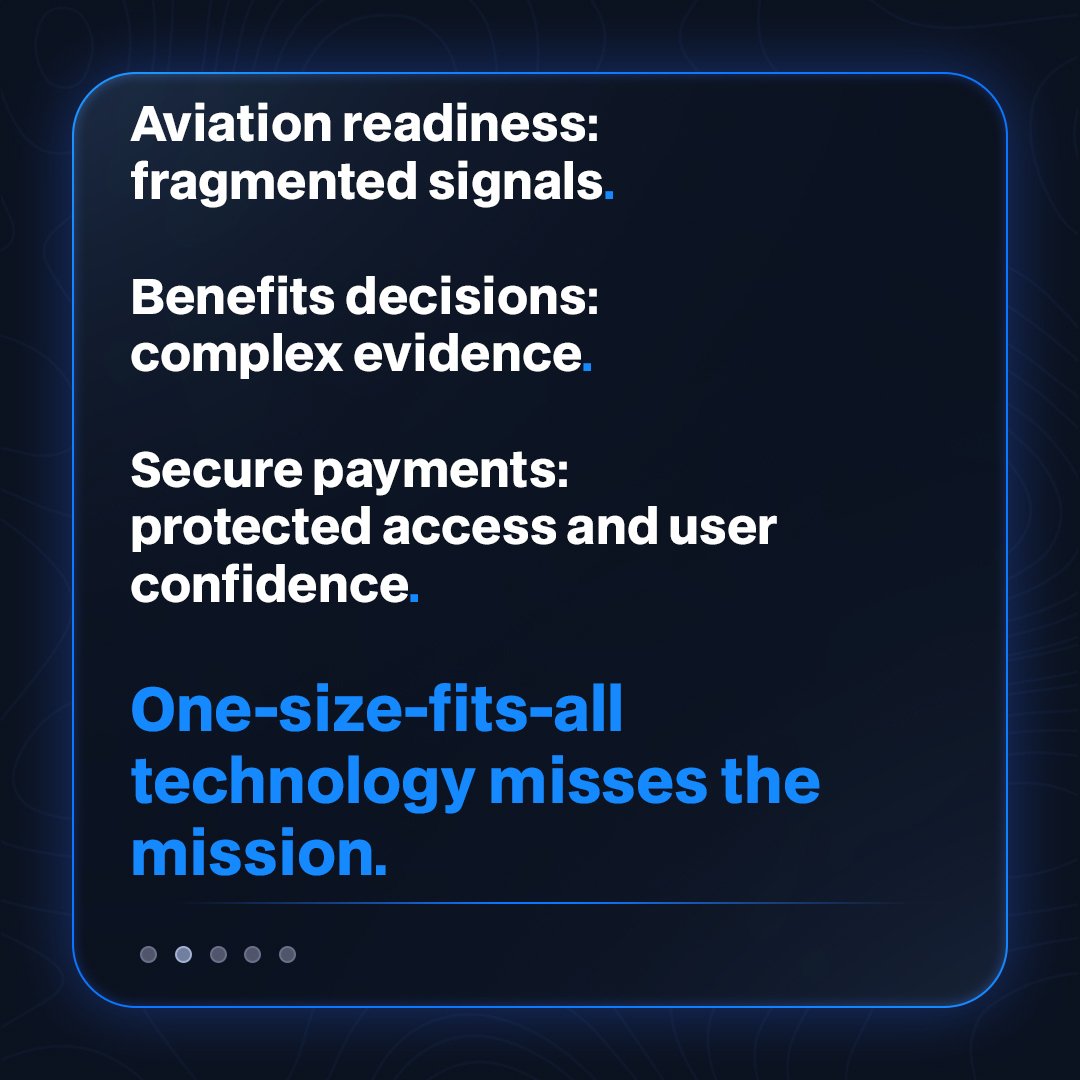
In aviation readiness, the challenge is fragmented signals. Data exists across maintenance, supply, training, planning, and risk workflows, but the decision picture can be incomplete or delayed. The mission requires earlier visibility and better context for readiness leaders.
In benefits decision-making, the challenge is workflow complexity. Reviewers need to evaluate evidence, follow policy, preserve consistency, and maintain accountability. Speed matters, but only if trust is preserved.
In secure payments, the challenge is protected access and user confidence. GI Bill recipients need a clearer way to access, monitor, and manage education benefits through secure payment infrastructure, transaction visibility, card controls, mobile support, and user-centered design.
Three platforms.
Three mission challenges.
One standard: trusted execution.
That is the technology story Devin helps connect.
SteerBridge does not build one-size-fits-all technology. It builds mission-specific platforms around the environment they serve, with security, usability, traceability, and accountable execution at the center.
What Leaders Should Demand from Mission Technology
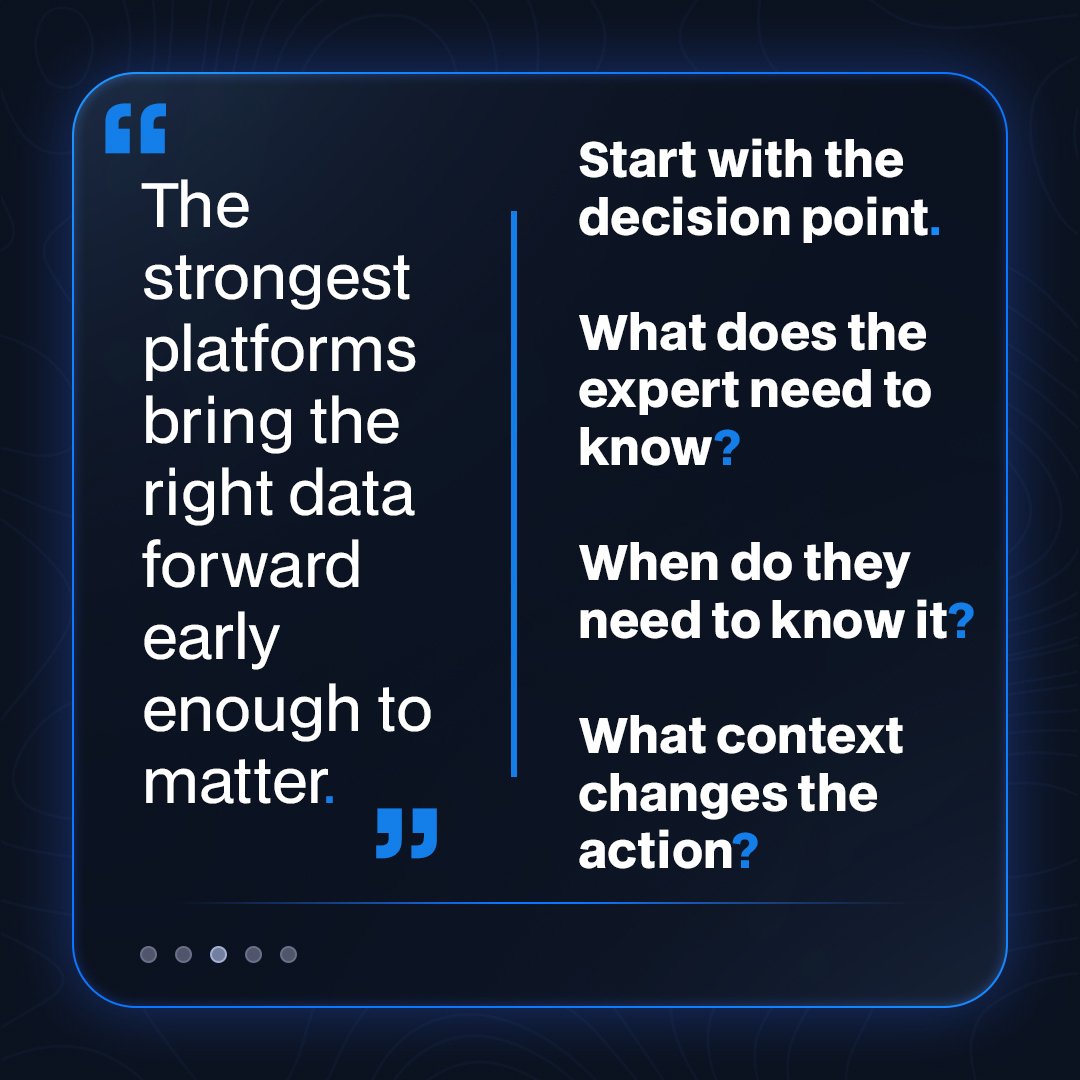
For Devin, leaders evaluating AI, data, or decision-support platforms should demand more than polished visuals.
They should ask:
Where does the source data come from?
How is it handled?
Can the logic be traced?
Does the platform connect data to the actual decision point?
Does it make the expert’s job easier?
Does it reduce risk?
Does it improve confidence in the outcome?
A platform should not simply generate more information. It should help accountable people act with greater clarity.
That is the difference between a dashboard and a decision surface. It is the difference between generic automation and mission technology. It is the difference between novelty and trusted execution.
Building Around the Mission
The future of mission technology will not be defined by who uses the newest tool the fastest.
It will be defined by who builds the right tool around the right mission problem.
For Devin, that means keeping experts in the loop. It means tying data to decision points. It means designing for traceability. It means understanding that automation is not always the answer, especially when judgment, context, and accountability remain essential.
At SteerBridge, that approach reflects a broader commitment: build platforms around the mission, not the other way around.
Because mission-ready decisions require more than data.
They require trust.
They require context.
They require accountable execution.
And they require technology designed for the people who carry the mission forward.
Technology prepares. Humans decide.
Talk with our team about building mission-specific technology for your readiness, benefits modernization, secure payments, or decision-support environment.

.jpg?width=500&height=500&name=Blog%20Image%20(1).jpg)