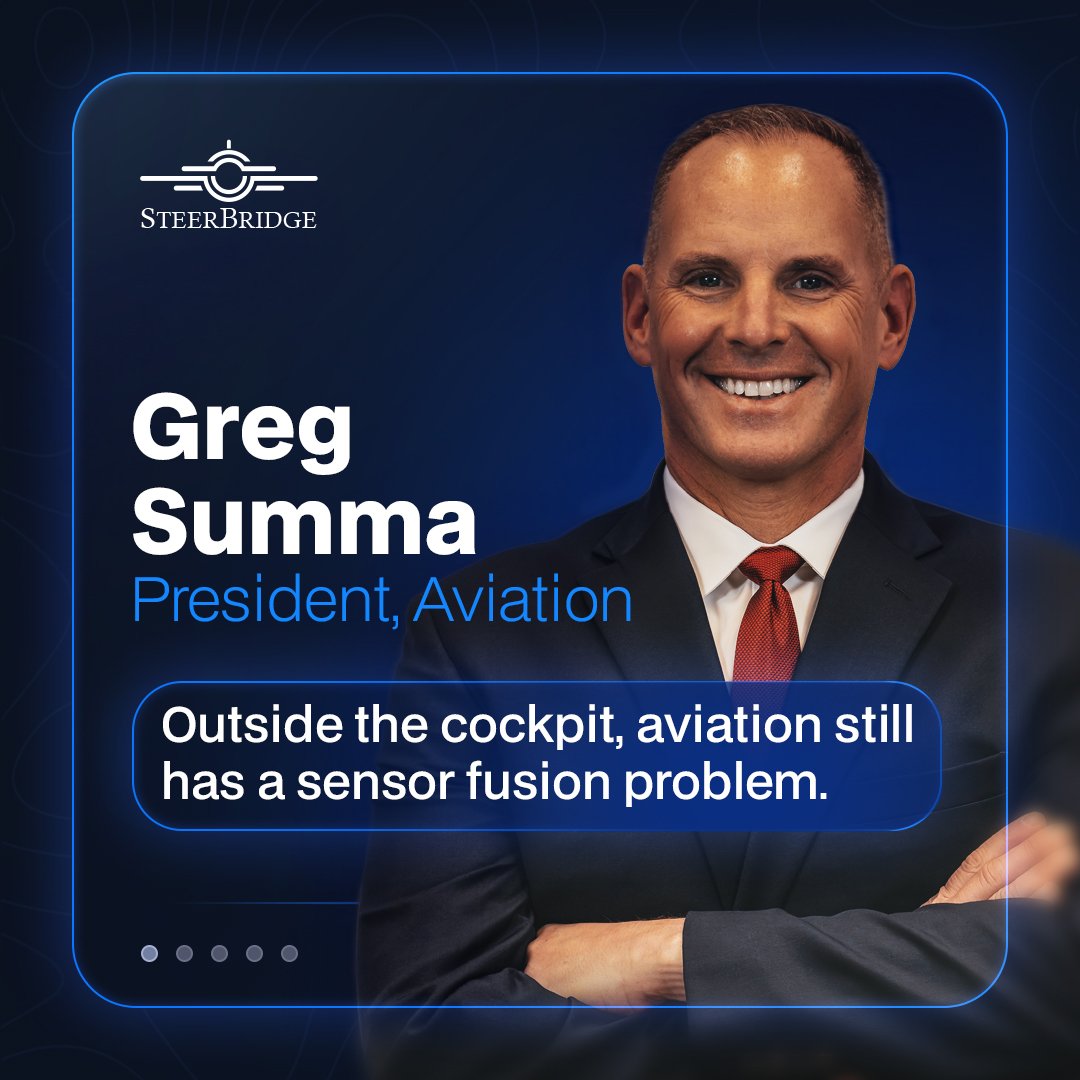
.jpg?width=1200&height=820&name=Blog%20Image%20(1).jpg)

Three Mission Platforms, Three Different Challenges
Every system carries some uncertainty
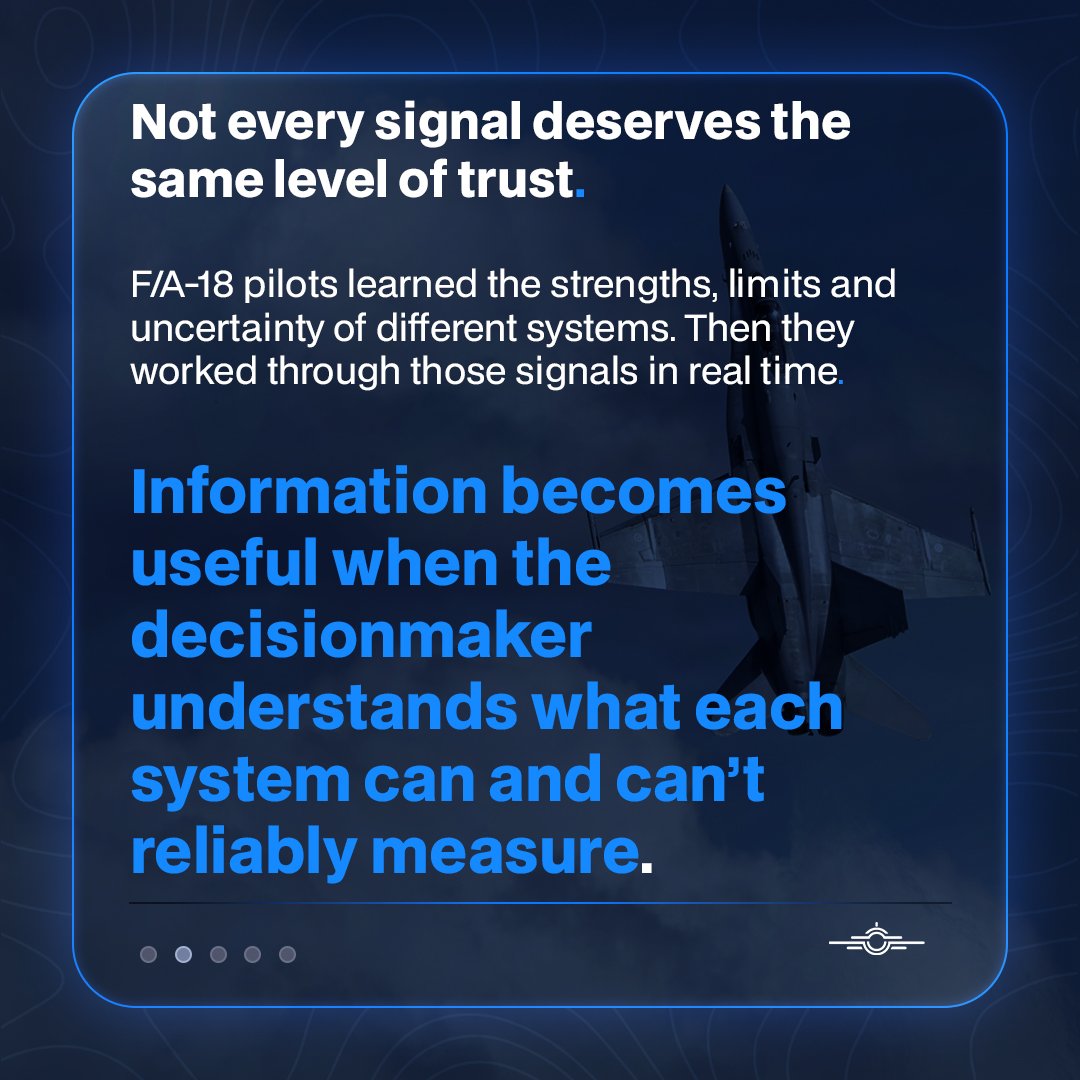
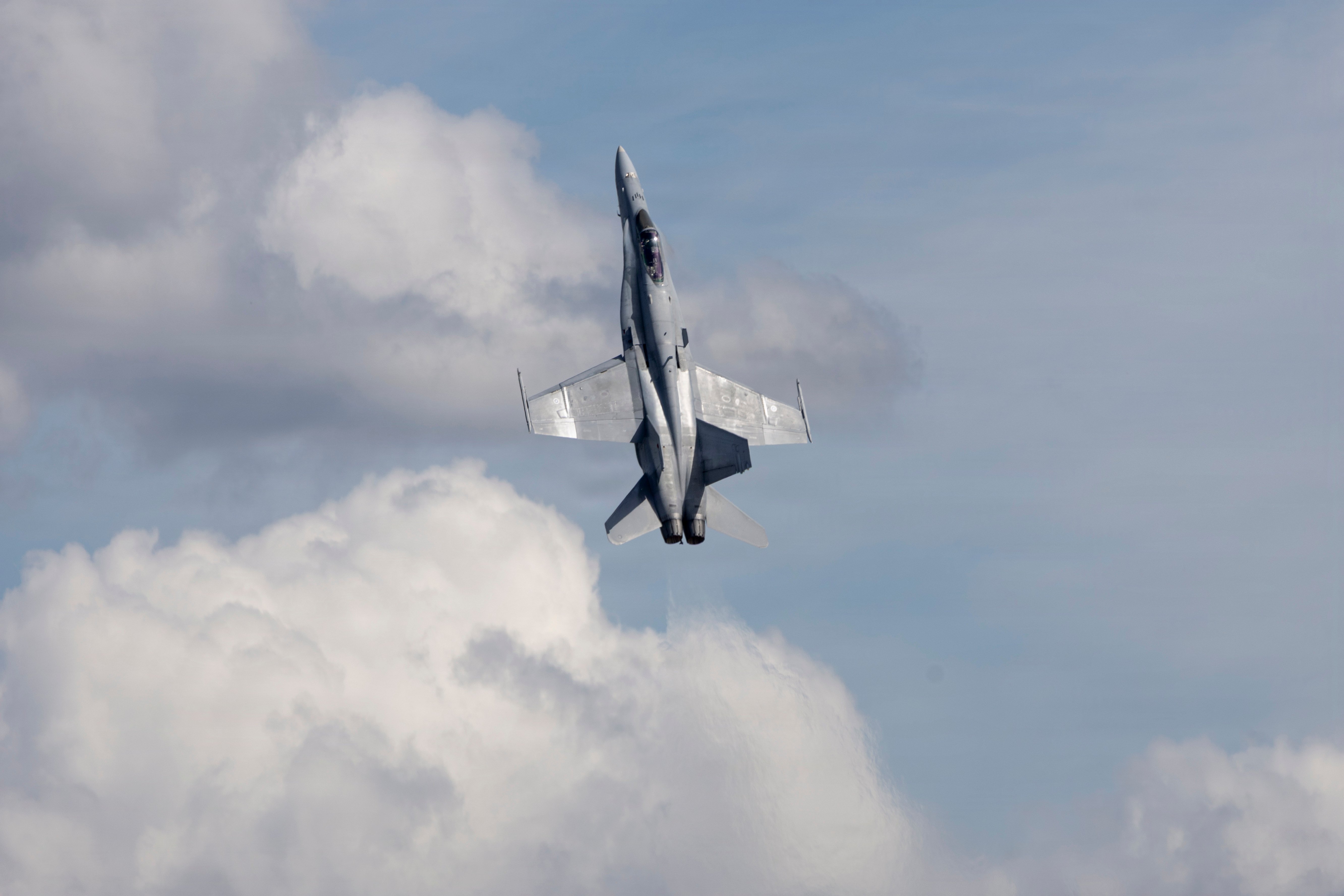
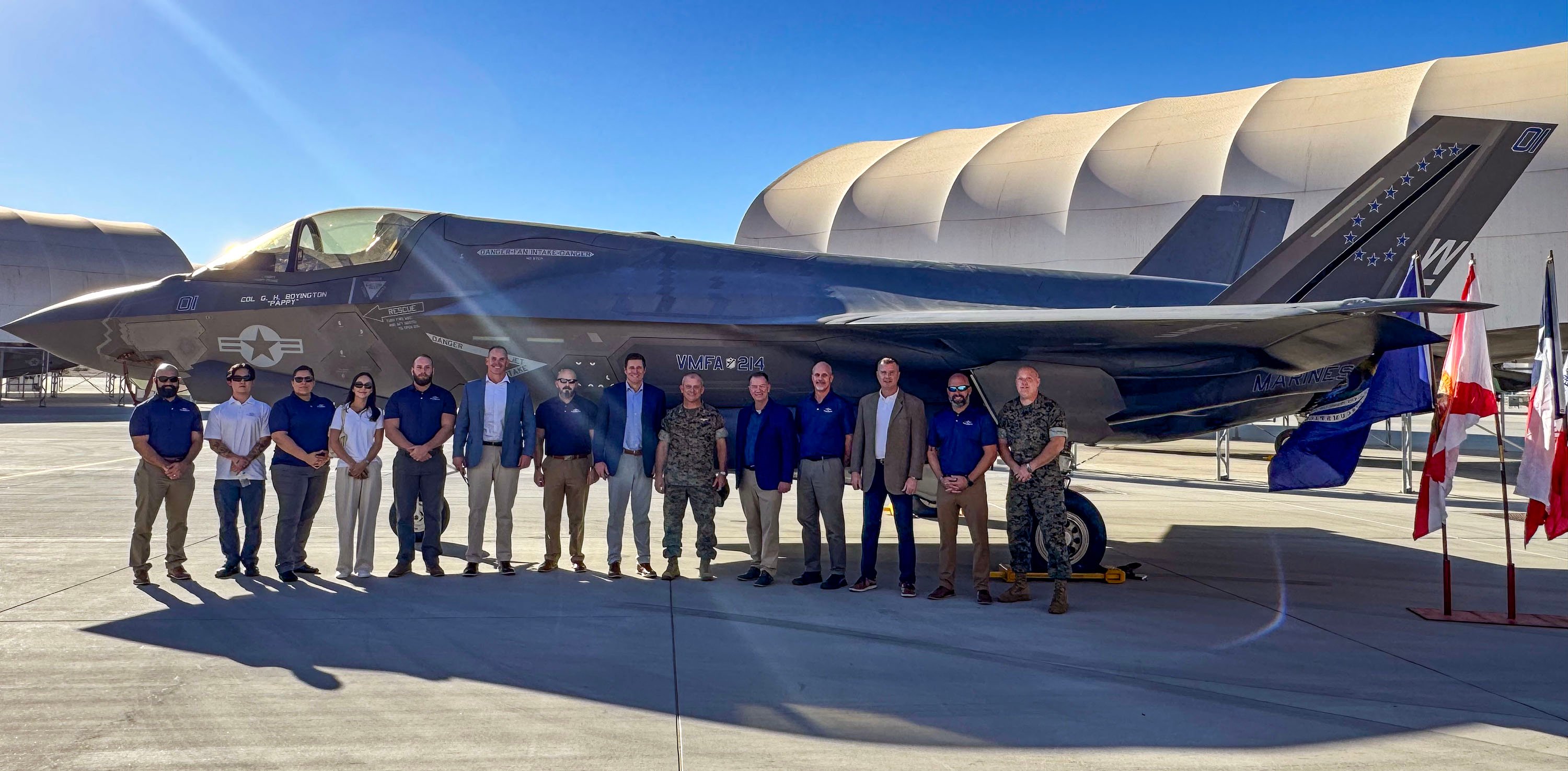
Greg spent the first part of his aviation career flying F/A-18s.
The aircraft’s mission and weapons systems had been designed and expanded over decades. Pilots got information from a lot of different sources, but those sources didn’t all perform equally well in every situation.
Experienced pilots developed what Greg describes as an internal understanding of each system’s “uncertainty volume.”
They knew where an instrument was reliable. They knew where it was less precise. They understood that a diagnostic might be useful for one purpose but not another.
The cockpit could show several signals at once. The pilot had to work through them using a practical understanding of what each system could and couldn’t do.
That process helped answer two questions:
What’s the best available picture of reality?
What should I do based on that picture?
It wasn’t just about reading data. It was about making sense of imperfect information under pressure.
What changed in the F-35
The F-35 handles the problem differently.
Its sensor-fusion capability brings information from multiple systems together and gives the pilot a combined assessment. The system does more of the work of weighing the strengths and limits of the available sensors.
That changes the pilot’s workload.
Instead of spending time reconciling separate signals, the pilot can focus on understanding the situation and deciding what to do next.
But when Greg moved from the cockpit to the larger readiness organization, he found that no comparable fused picture existed.
Maintenance information was in one system. Logistics information was somewhere else. Engineering, training, scheduling, supply, personnel, safety and operational information all were often dispersed across different systems and organizations.
The data existed.
The operational picture didn’t.
An accurate answer can still be useless
That difference matters most at the squadron level.
A young captain or major need information about aircraft availability, training, maintenance, parts or scheduling.
But this is not always available locally.
The request has to go to higher headquarters or back to the program office. Meanwhile, conditions on the ground can change
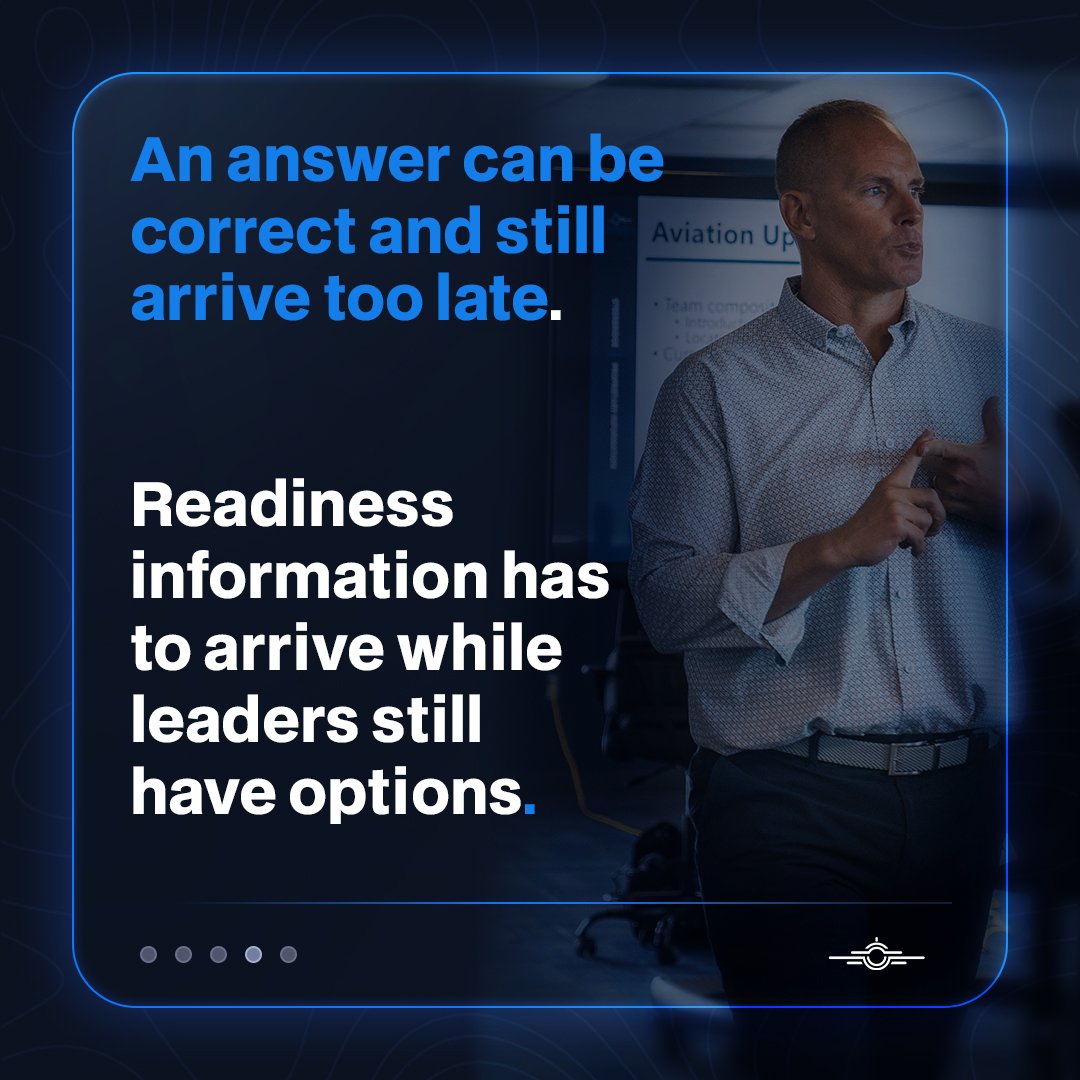
By the time the answer comes back, it may be technically correct but operationally stale.
The aircraft have moved. The part are no longer available. The weather window is closed. The schedule have changed. A training opportunity is lost.
That’s why timeliness isn’t just a nice feature in readiness technology. It’s part of the value of the information itself.
A decision-support tool has to reach the right person while that person still has meaningful options.
A dashboard tells one part of the story
Dashboards are useful.
A maintenance dashboard can show component conditions. A training dashboard can show qualifications and currency. A scheduling view can show planned activity.
Each one matters.
But one dashboard rarely tells the whole operational story.
Many dashboards are also focused on what has already happened. They show a condition or status. They don’t always show how one change will affect the rest of the system or what decision is needed next.
Aviation leaders need connected displays.
They need to see how aircraft condition, parts availability, maintenance capacity, engineering guidance, personnel, training requirements, location, scheduling, facilities, cybersecurity and operational risk affect one another.
They also need analytical tools that can spot patterns, recognize meaningful differences and present options based on what is likely to happen next.
The goal isn’t a bigger dashboard.
It’s a more useful decision environment.
Readiness goes beyond the squadron dashboard
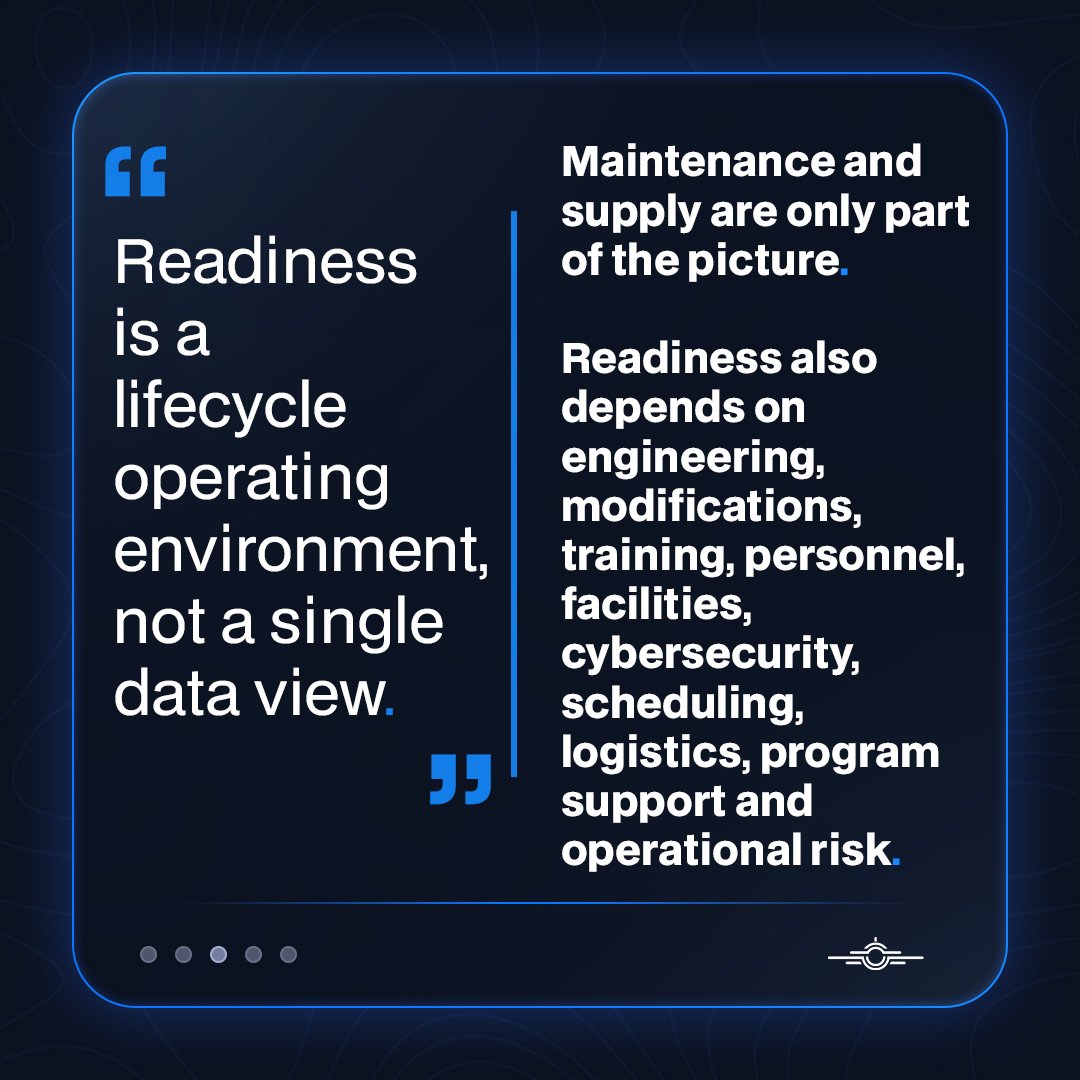
An aviation platform’s readiness is shaped across its entire lifecycle.
Production decisions affect availability. Engineering and modification decisions affect capability. Repair capacity and parts availability affect sustainment. Facilities and cybersecurity affect whether supporting systems remain available and trusted. Program operations affect how quickly information, resources and requirements move across the enterprise.
Those functions are often managed by different organizations, contracts, systems and authorities.
But their effects come together at the squadron level.
That’s why readiness can’t be treated as only a maintenance application or a visualization problem.
The broader operating environment has to connect information across the lifecycle while preserving the responsibilities and authority of the organizations involved.
The goal isn’t to force every function into one system.
It’s to make sure the person making a readiness decision can see the dependencies that matter before the window closes.
Current market activity points in the same direction. Aviation customers are increasingly buying production, modification, sustainment, repair, engineering, cybersecurity, facilities and program support as connected lifecycle capabilities rather than isolated tasks.
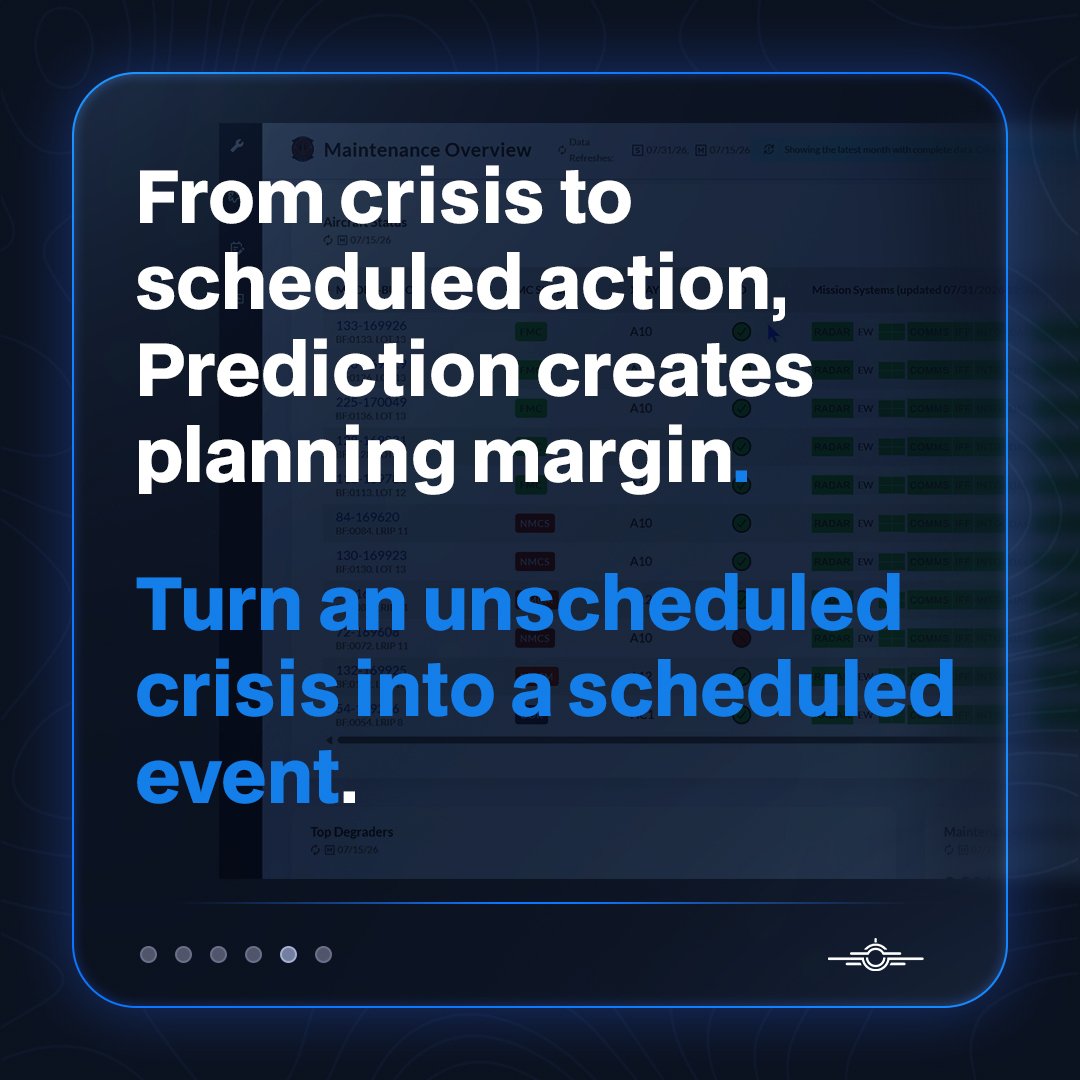
Turning an unscheduled crisis into a scheduled event
The value becomes clear in maintenance planning.
Say the available information shows that a component is likely to fail.
That prediction alone isn’t enough.
The commander or maintenance leader also needs to know where the aircraft is, whether the right support is available, which parts can be used, how much service life remains and what other demands are competing for the aircraft.
When that information is available early, the organization can change the component while the aircraft is near the people, equipment and parts needed to do the work.
An unscheduled failure becomes a scheduled maintenance event.
The organization gains planning margin. It avoids preventable disruptions the squadron is in a better position to sustain operational tempo.
That’s the difference between reporting readiness and supporting it.
Start with the problem, not the product
Greg’s operational experience also shapes how SteerBridge develops aviation tools.
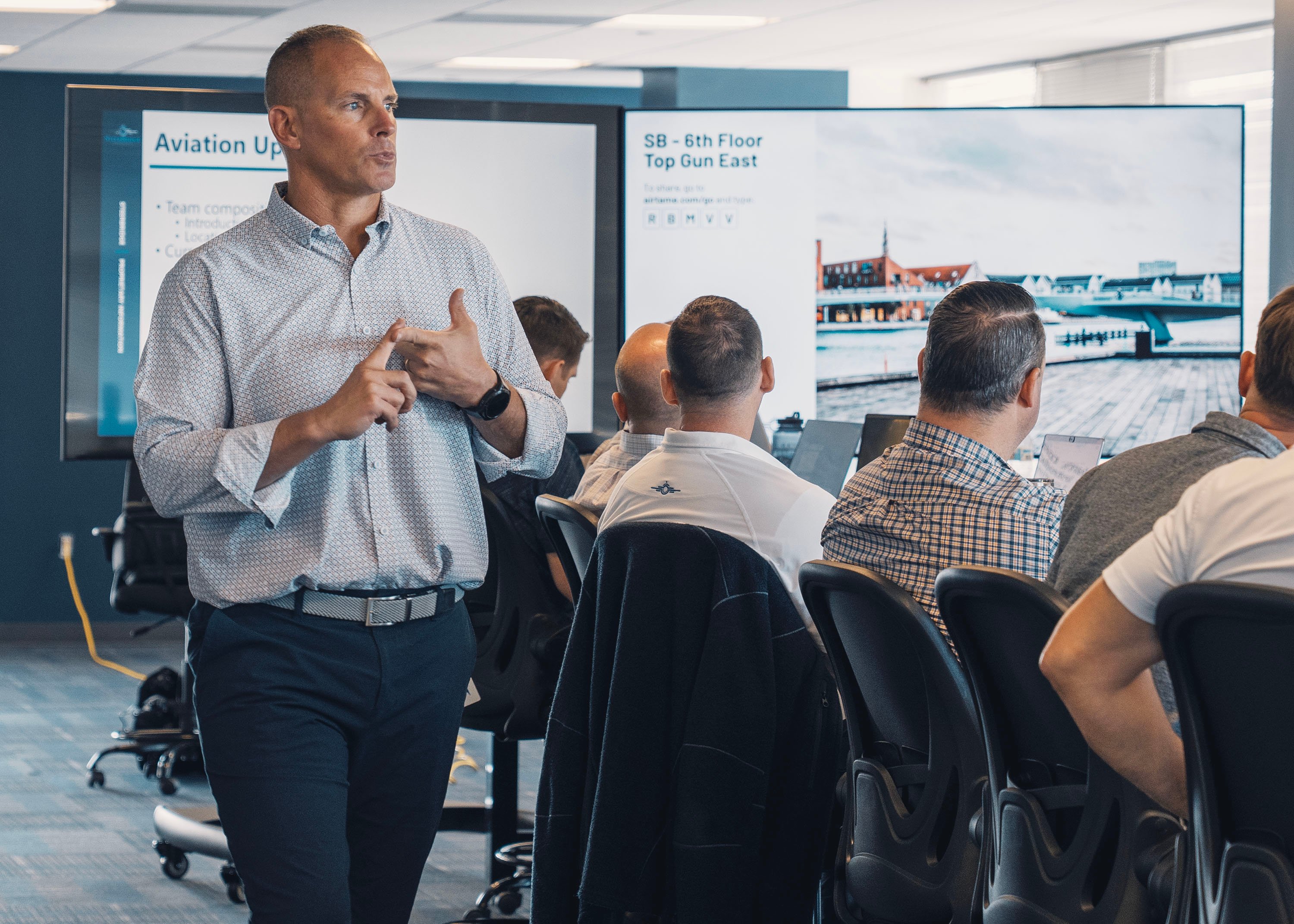
A standing working forum brings subject matter experts from the F-35 community together with technical and software teams to work through operational problems.
The discipline is simple:
Don’t start by saying what you want to build. Start by stating the problem.
From there, the technical team can look at what data is available, decide whether it can support an answer and work through how the information should be presented to the people who will use it.
That process has supported tools designed to identify required parts and approved alternatives, show where those parts are located across bases or installed on other aircraft and provide relevant service-life information.
The point isn’t to create another concept demonstration.
It’s to give squadron personnel something they can use to plan ahead instead of reacting after the problem becomes urgent.
Greg is clear about the difference. Aviation organizations hear plenty of concepts. What matters is whether the capability becomes real, reaches the user and holds up on the flight line.
Readiness shouldn’t be integrated manually at the point of need
Aviation organizations are often asked to pull readiness together after capabilities have already been split across systems, contracts, organizations and reporting structures.
That leaves the people closest to the mission carrying the burden of integration.
A better approach is to design around the decision from the beginning.
Who is the user?
What authority does that person have?
What information and dependencies do they need to see?
Where is the data strong, and where is it limited?
How will the capability work with existing systems and evolve over the platform’s lifecycle?
Readiness shouldn’t depend on a captain, major, maintainer, analyst or planner rebuilding the operational picture by hand every time conditions change.
The system shouldn’t replace the commander’s authority
Better prediction doesn’t remove the need for professional judgment.
In many readiness, safety, maintenance and operational situations, the system shouldn’t make the final decision.
That authority belongs to commanders and other designated leaders.
Technology’s role is to give them a better basis for action.
That means presenting information at the highest practical level of fidelity. It means making uncertainty and limits easier to understand. It means helping leaders see likely consequences and available options. It also means reducing the number of unknowns they have to carry into a difficult decision.
The same principle applies to aviation safety.
Greg describes tools that review a pilot’s past performance and identify areas where that pilot may have more difficulty in a future training event.
That information can help the squadron plan more deliberately. It can also help the pilot prepare before the event begins.
A mishap often isn’t caused by one isolated failure. It can come from several conditions lining up over time.
Earlier visibility gives the squadron more chances to intervene before those conditions lead to a bad outcome.
Technology provides foresight.
People use that foresight to change what happens next.
Operational intimacy is the differentiator
Large enterprise programs bring scale, infrastructure and broad lifecycle capacity.
But scale doesn’t guarantee clarity at the point of decision.
SteerBridge’s role is to complement scale with operational intimacy.
That means understanding how readiness professionals actually work, where information gets slowed down, which dependencies matter and how technology has to fit existing authority and workflows.
It takes more than technical integration.
It takes aviation experience, analytical discipline, interoperable architecture, user-centered design and accountable delivery.
The goal isn’t to put another layer between the system and the squadron.
It’s to close the distance between the systems managing the lifecycle and the people managing the mission.
The user is the squadron leader
For Greg, the user isn’t an abstract enterprise stakeholder.
It’s often the captain or major helping run a squadron every day.
Those leaders shouldn’t have to waste time chasing information, rebuilding reports, working through disconnected systems or waiting for answers that arrive too late to use.
Their focus should be on leading people and sustaining aviation operations.
Every hour saved on manual data gathering and planning is time they can put back into the mission.
That’s the practical test for readiness technology:
Does it make the people closest to the mission more effective?
Does it give them an answer they can understand and defend?
Does it arrive while they can still use it?
Does it help them plan instead of react?
The next fused picture
Inside the cockpit, aviation has already shown the value of bringing multiple signals together into a clearer assessment.
The challenge is bringing that same principle to the broader readiness enterprise.
Maintenance, logistics, training, supply, engineering, scheduling, facilities, cybersecurity, safety and operational information have to do more than sit next to one another.
They need to contribute to a connected lifecycle picture that accounts for reliability, limits, dependencies, authority and time.
The goal isn’t to remove the leader from the decision.
It’s to let the leader spend less time rebuilding reality and more time deciding how to shape it.
That’s the work Greg sees ahead for SteerBridge. Partner with Marine aviation. Keep improving tools for the people operating at squadron level. Apply those lessons across aircraft types and, over time, beyond a single service or platform.
Fuse the information. Preserve the judgment. Act while options remain.
//
Mission Focus